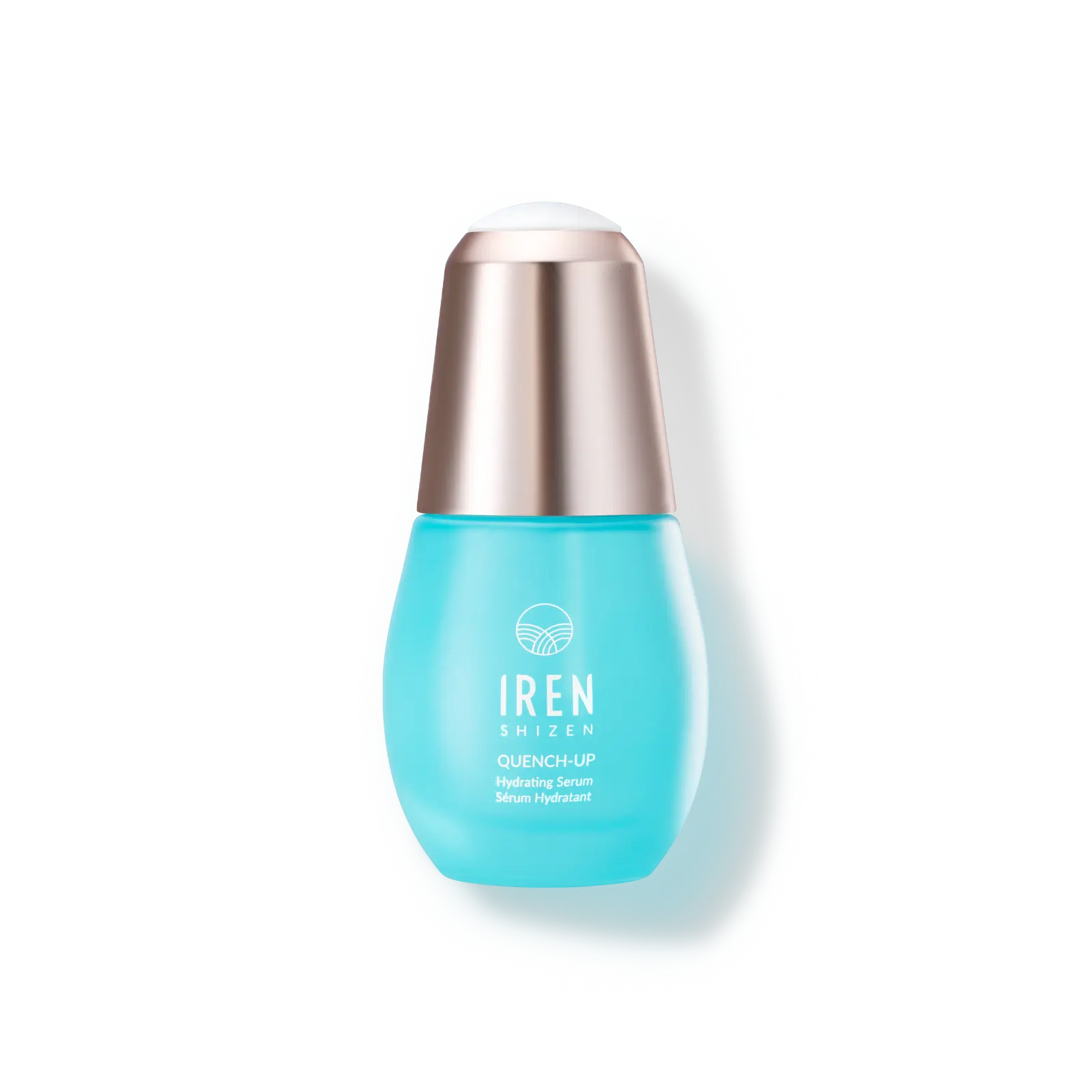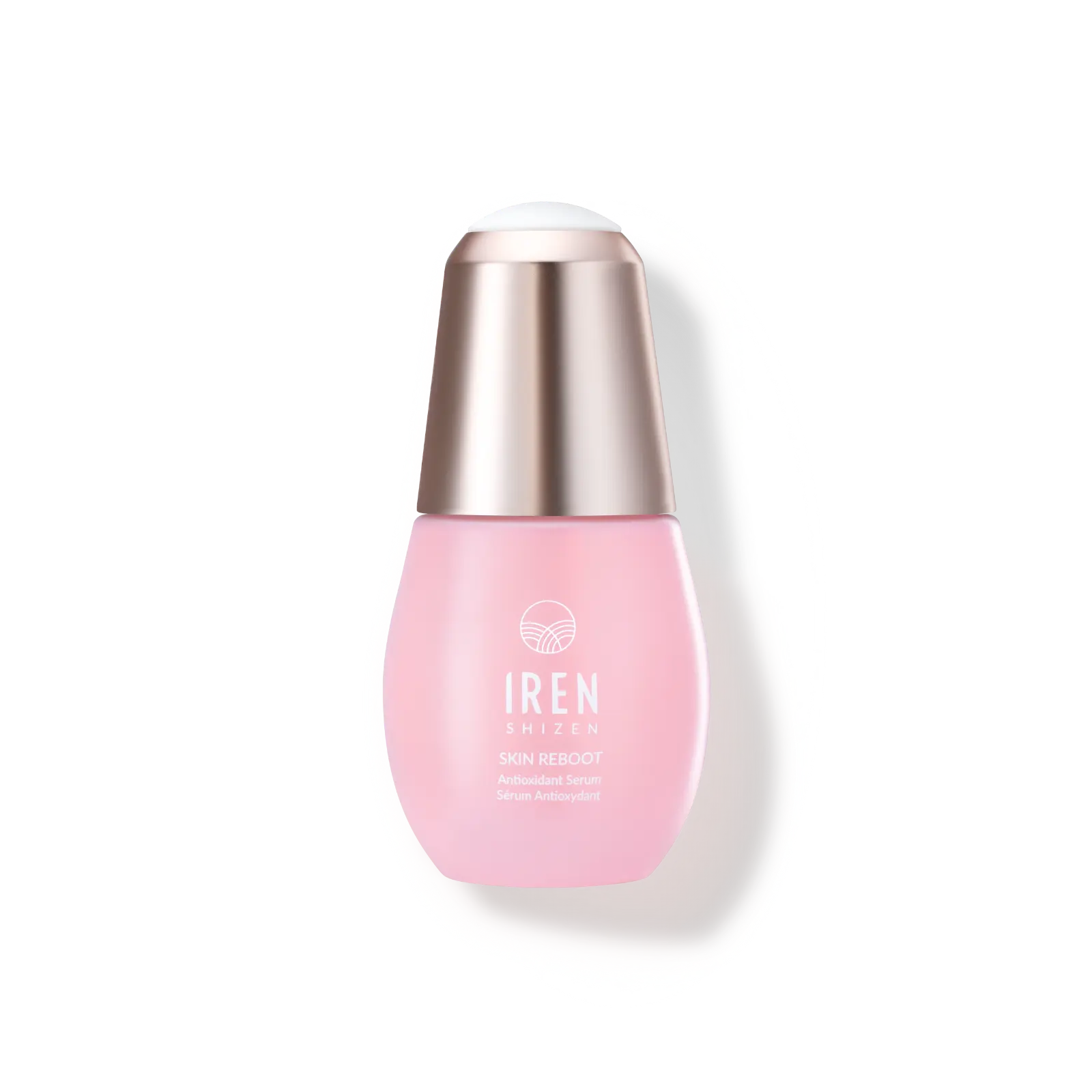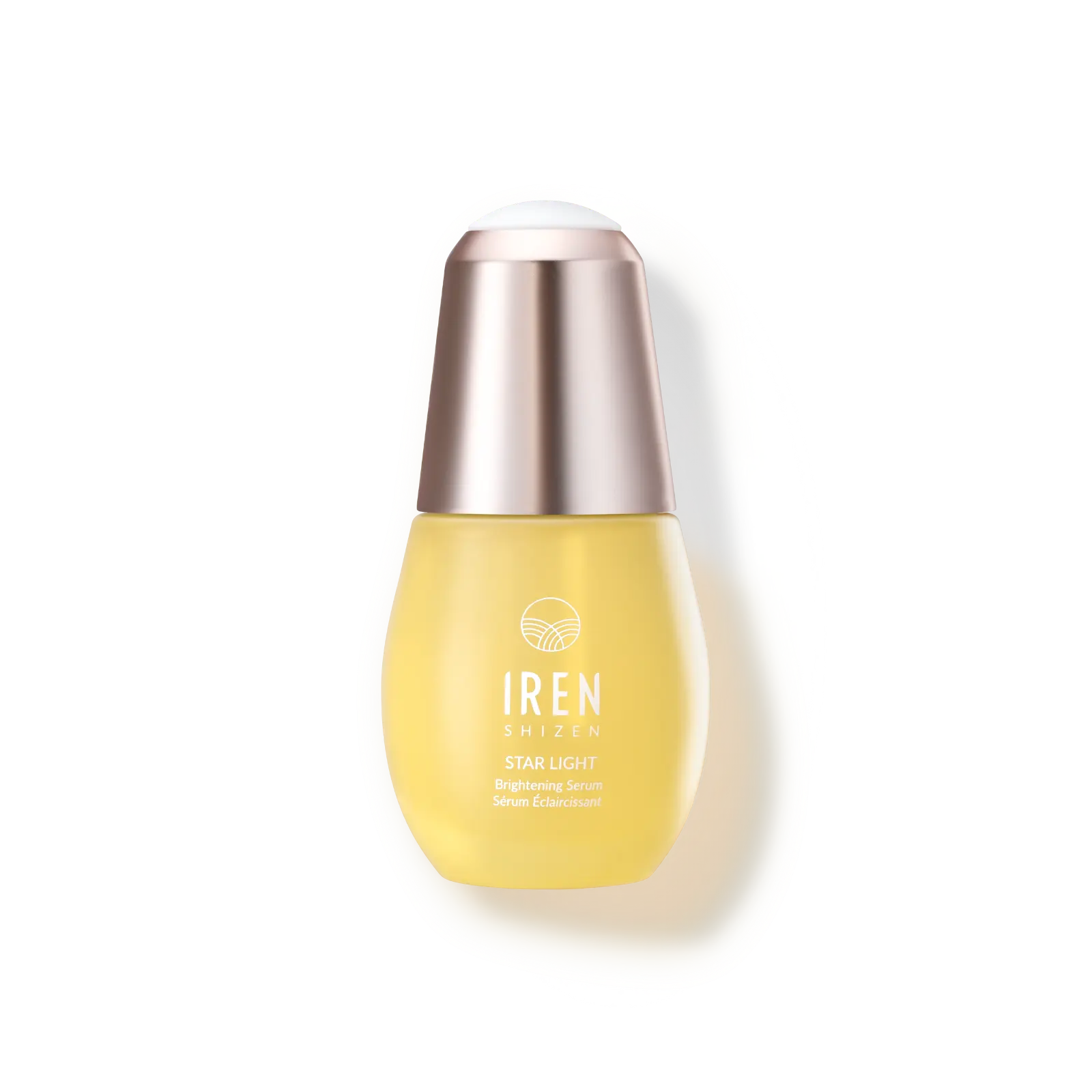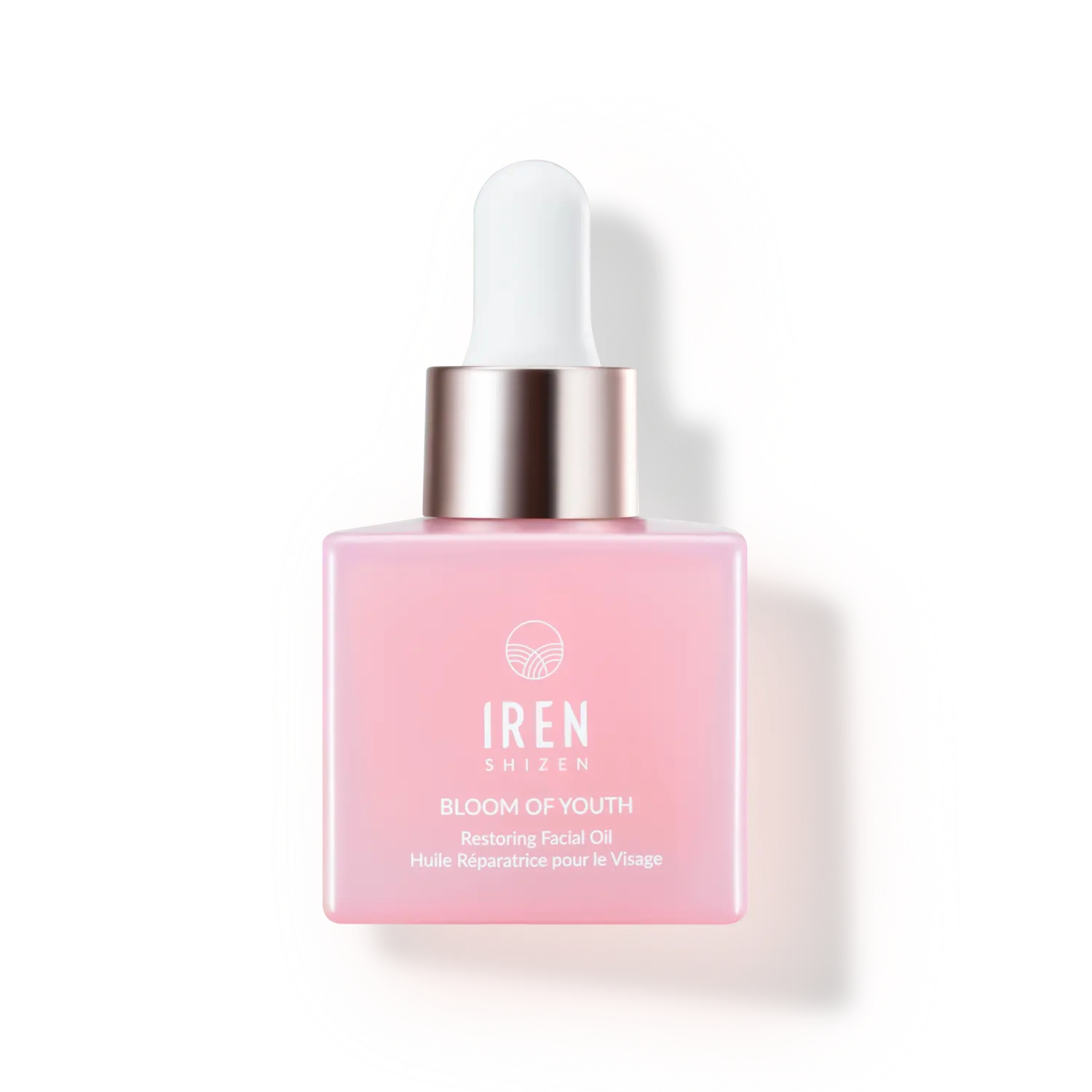
Moisturizers
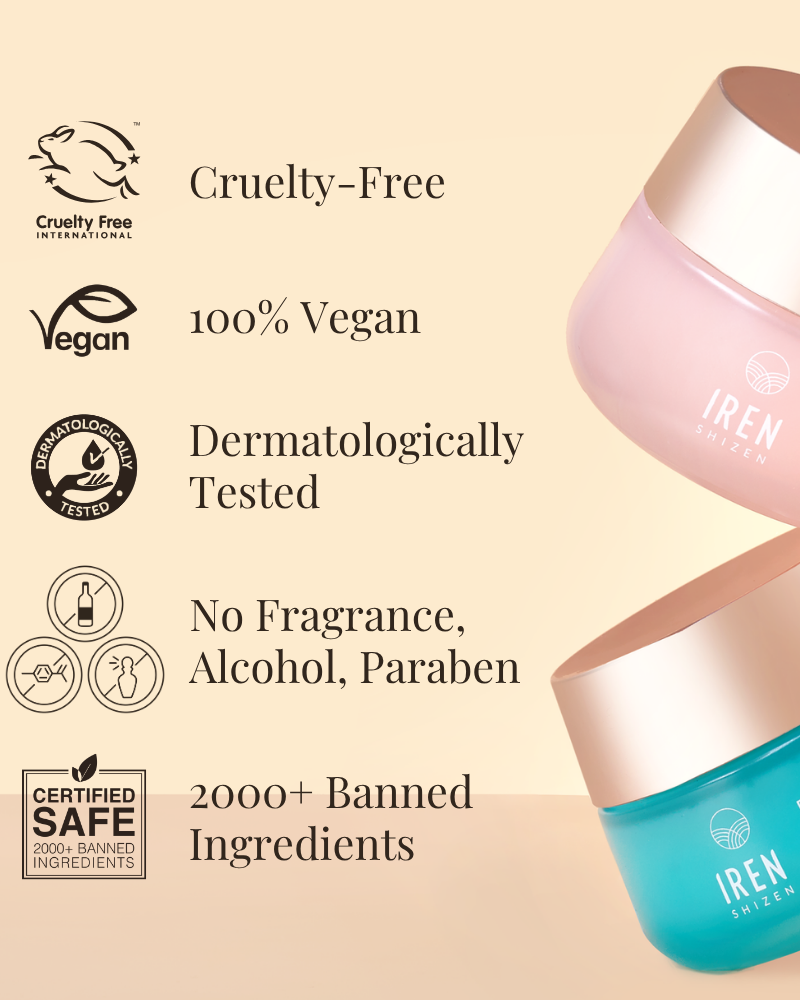
Indulge your skin with these rejuvenating moisturisers that are made from 99% natural ingredients, including cell-renewing Japanese botanicals and powerful actives. These oil-free creams are meticulously crafted to work wonders on even the most sensitive skin without any harmful additives like silicone, preservatives, or alcohol.



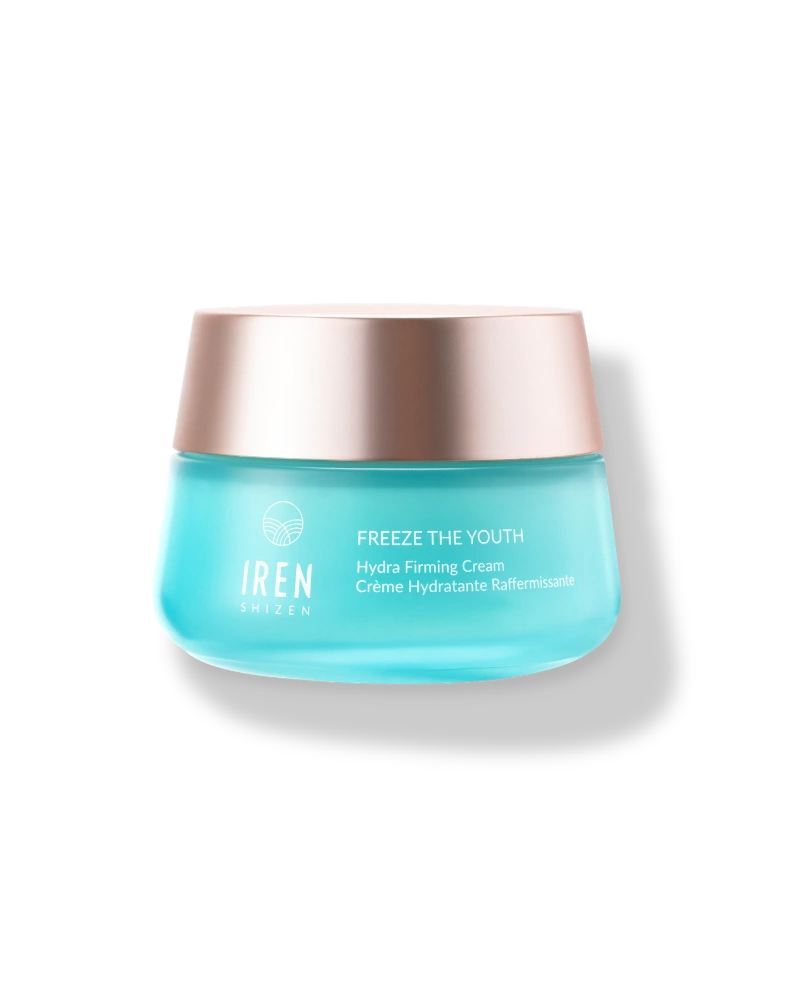

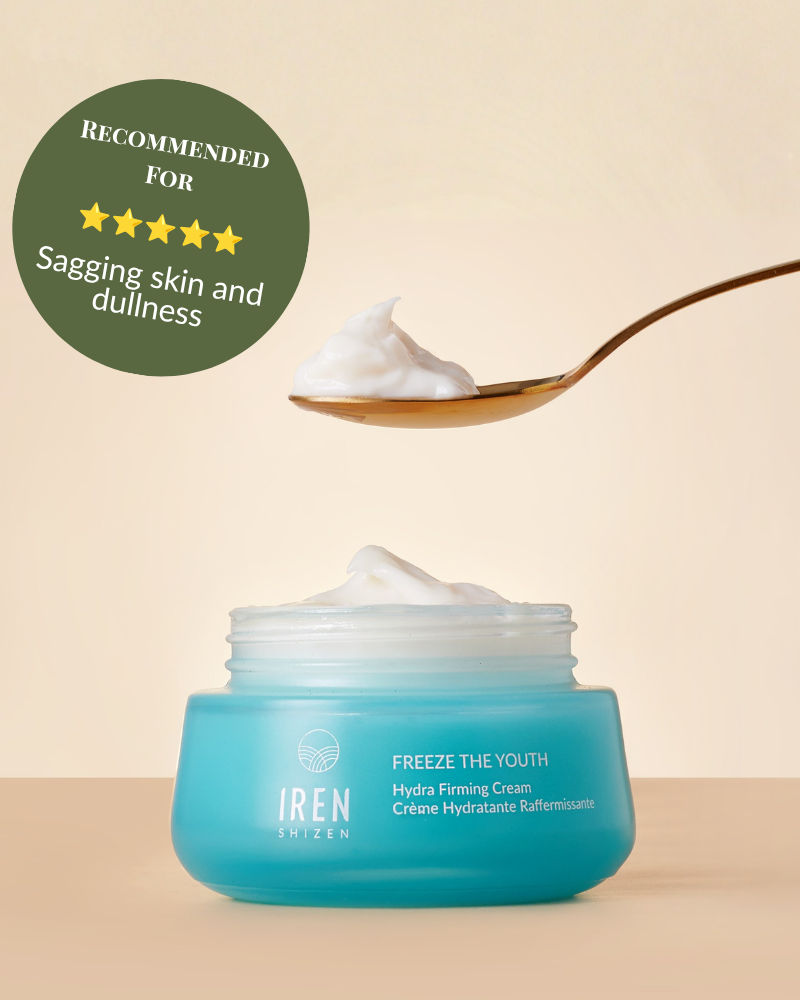
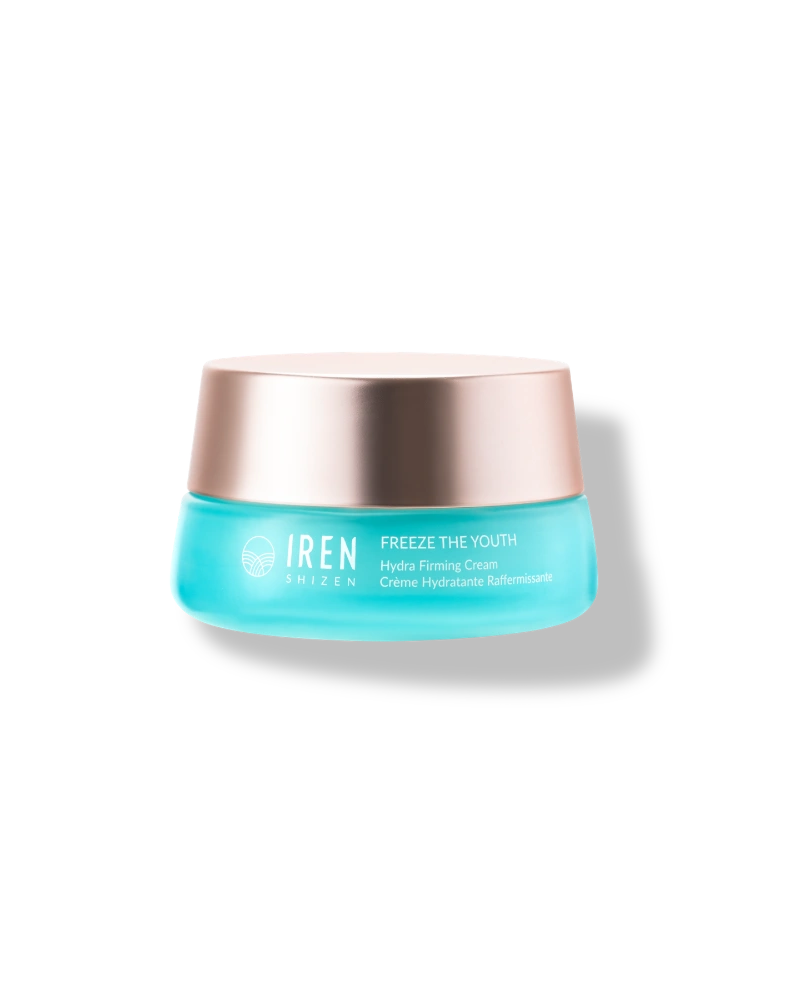
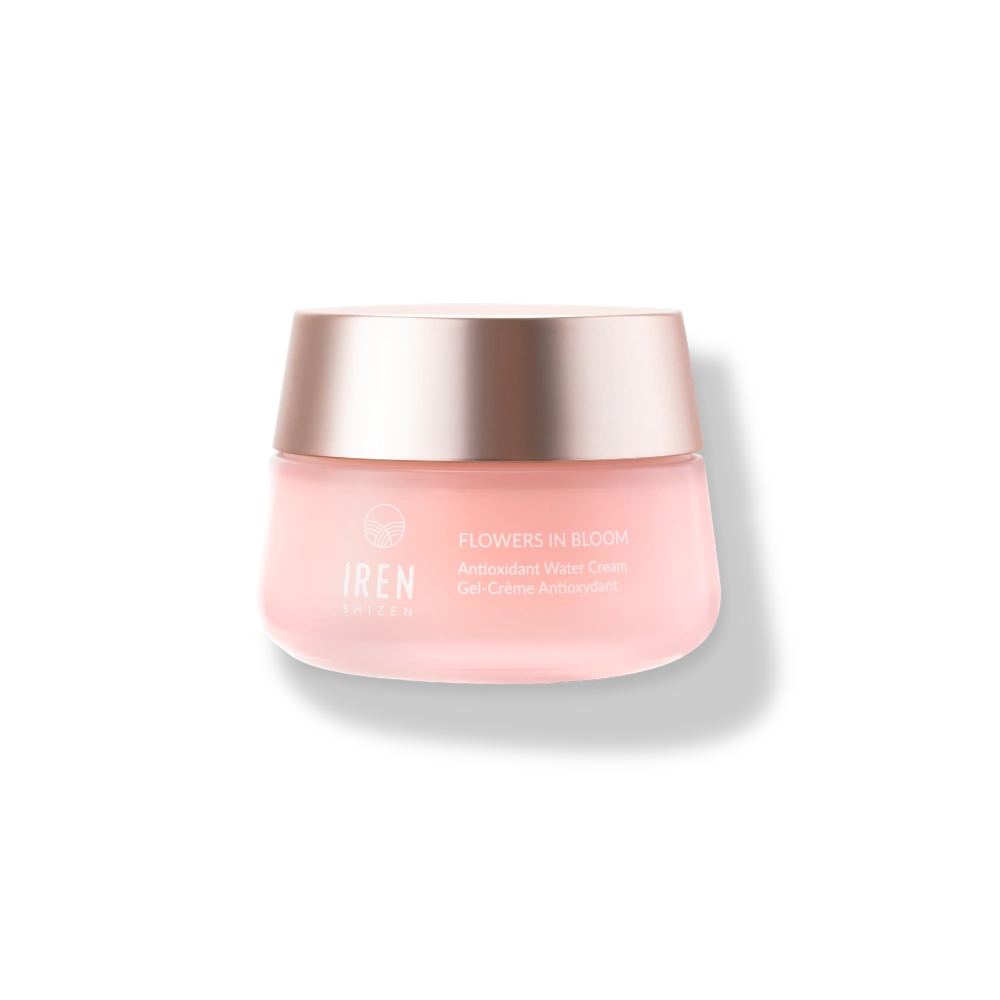
Compare Moisturizers
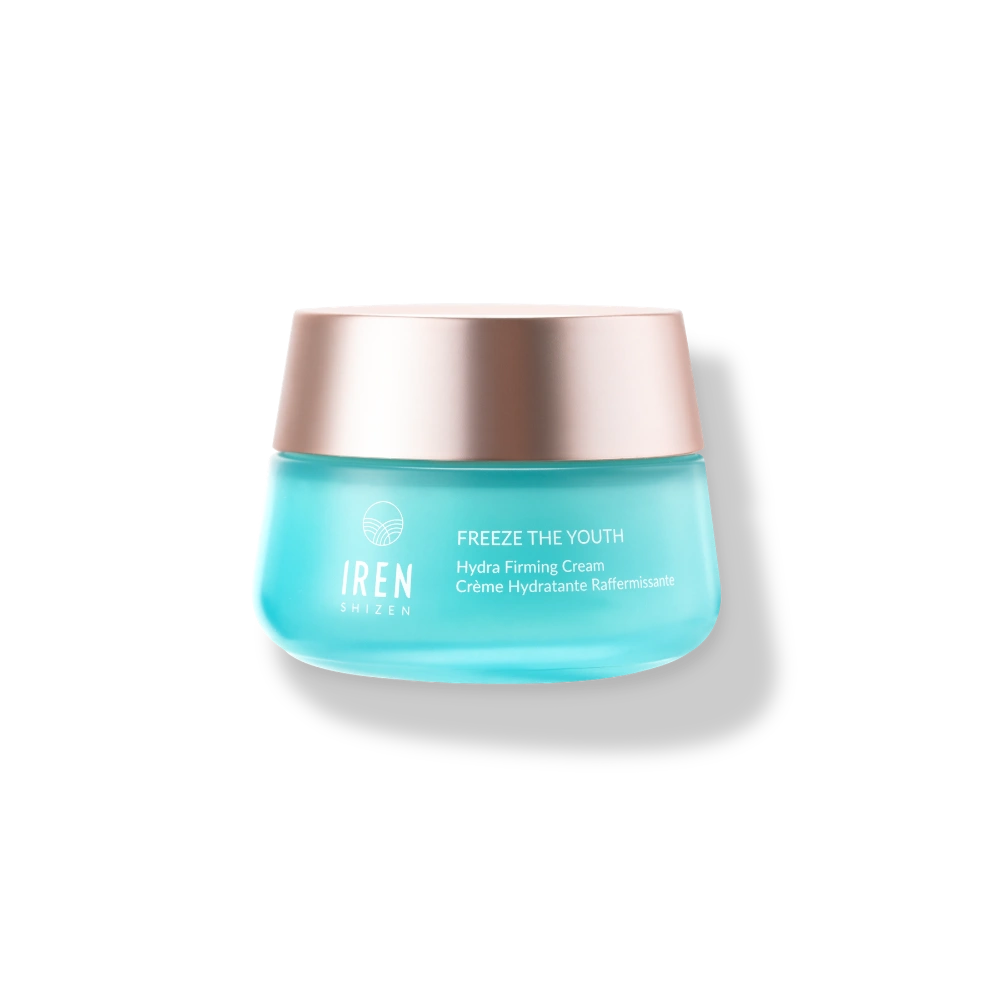
Moisturises and protects skin from external pollutants
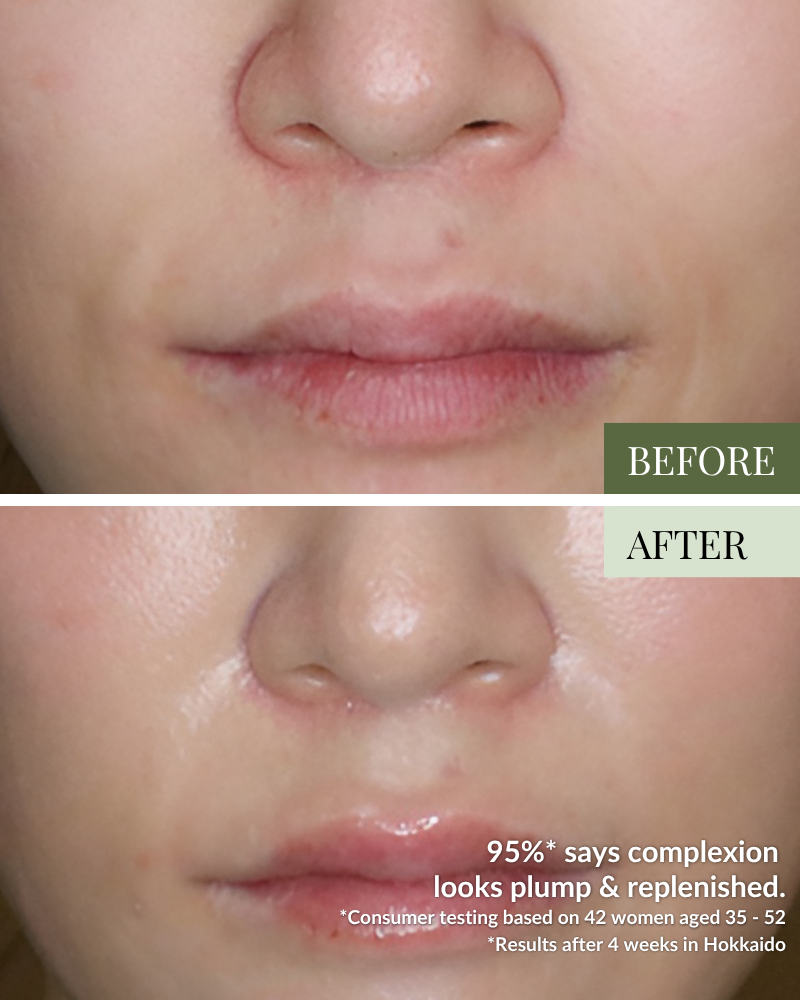
Rejuvenate and plump skin while you sleep
Oily or acne-prone skin
Dry or sensitive skin
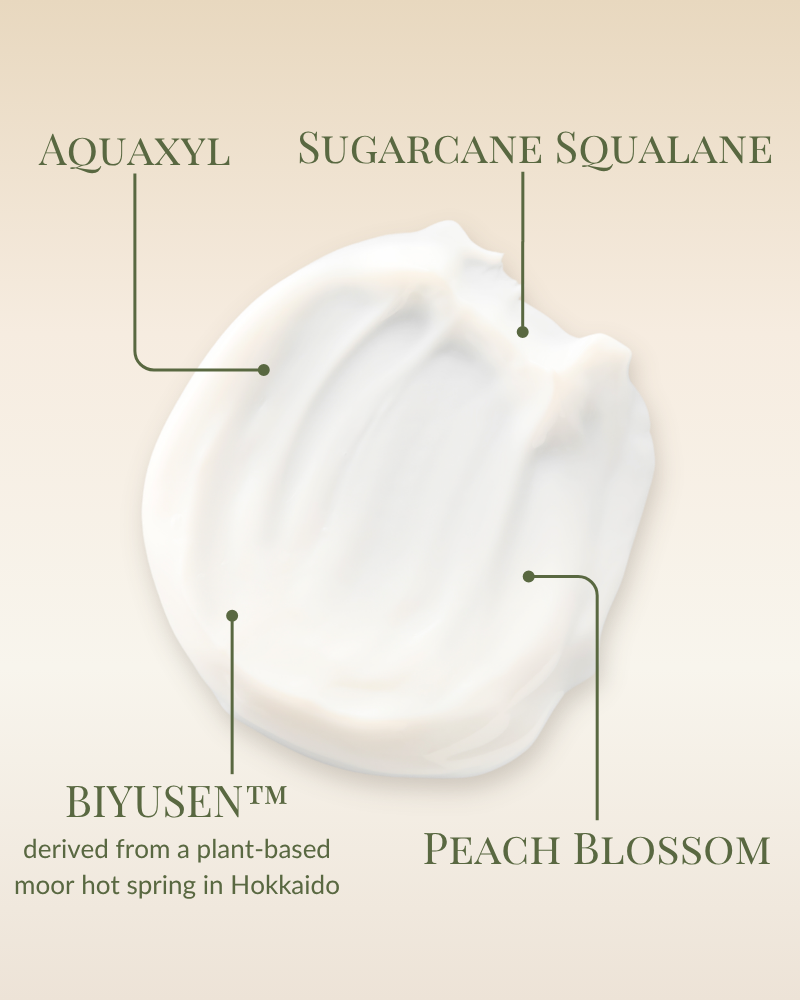
- Peach Blossom
- Sugarcane Squalane
- BIYUSEN™ Onsen Water
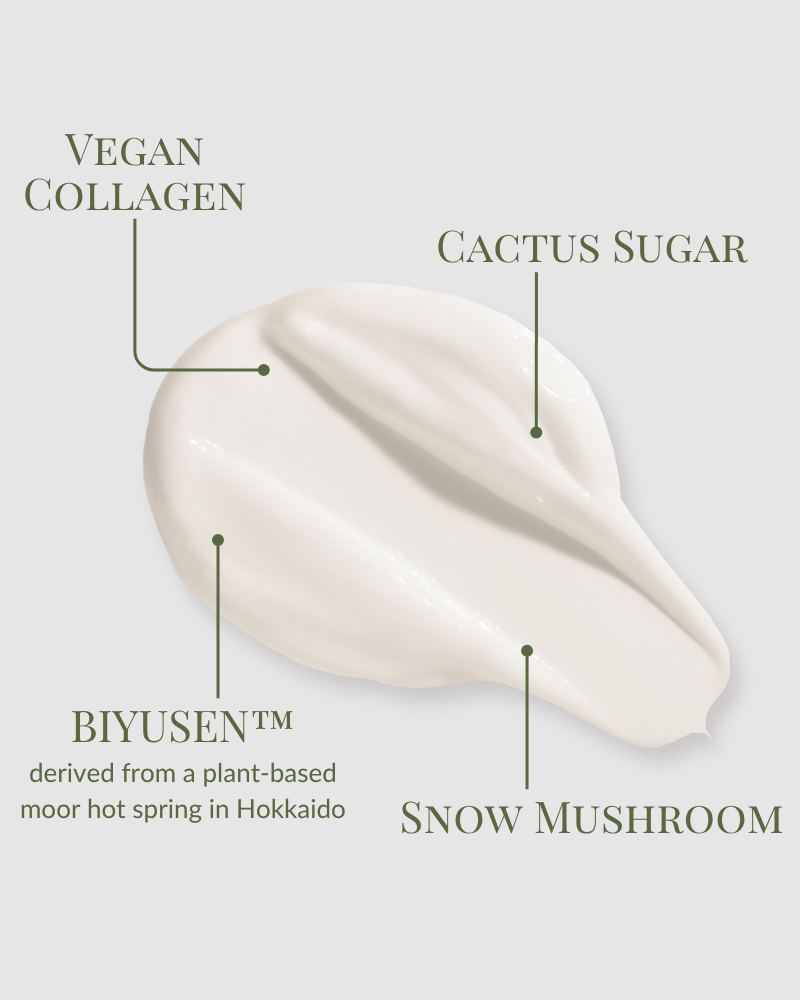
- Snow Mushroom
- Vegan Collagen
- BIYUSEN™ Onsen Water
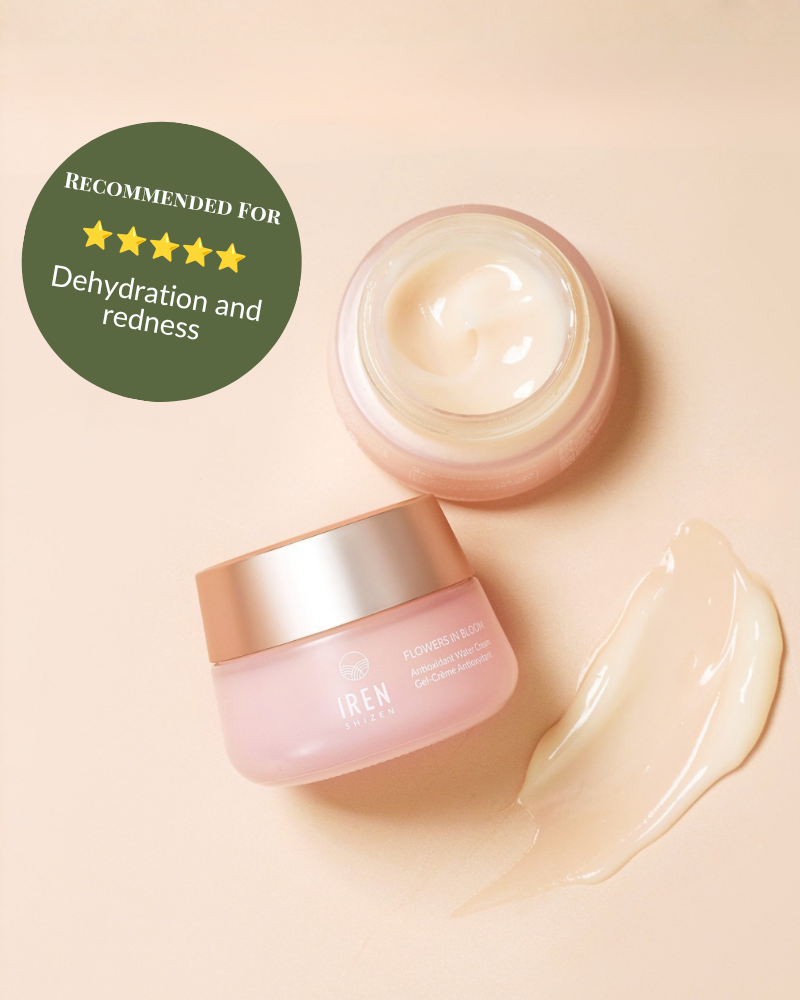
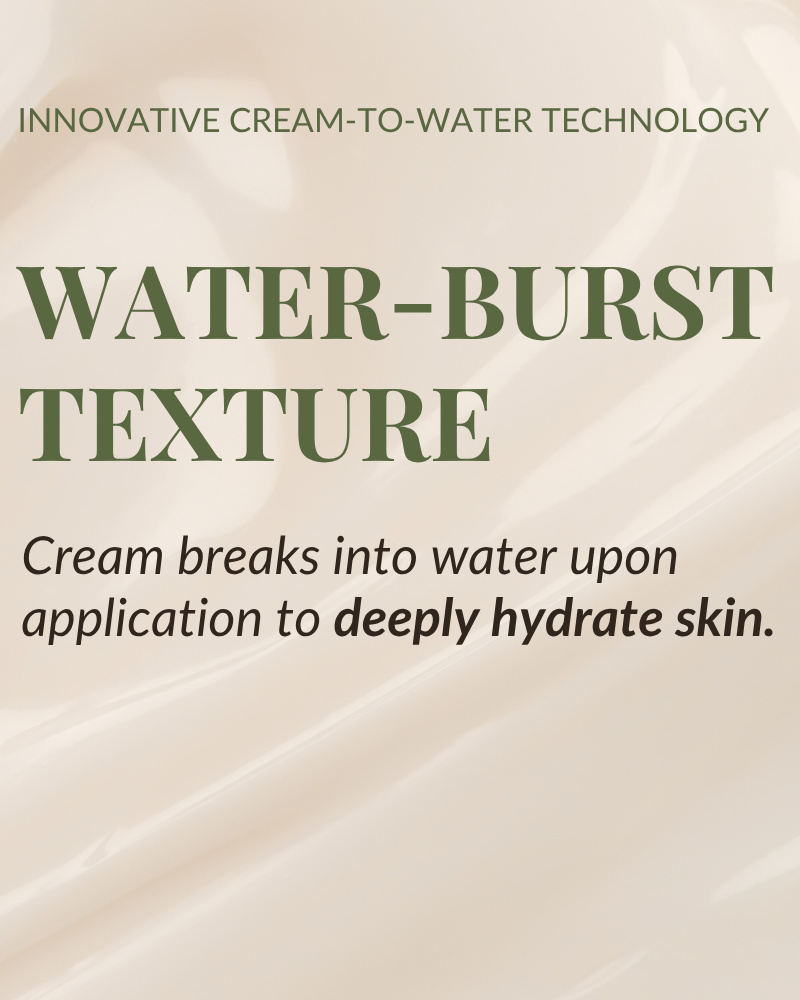
Water burst texture. Unique water-burst cream breaks upon application to deeply deliver treatment benefits, hydrating without leaving skin sticky or greasy
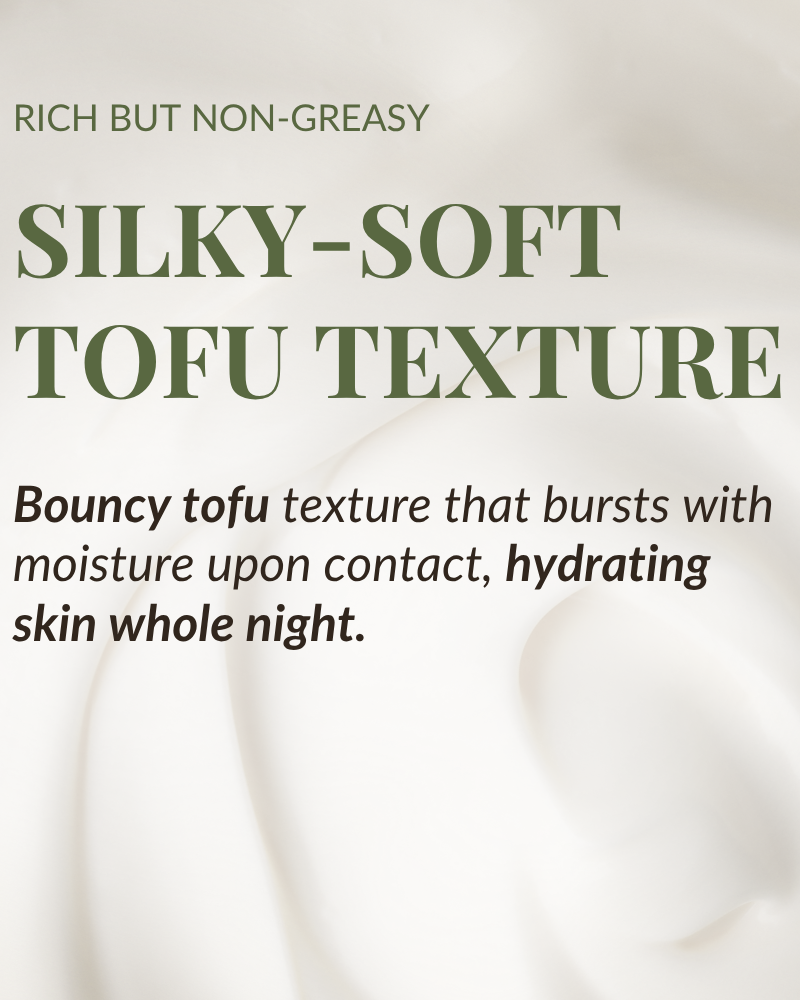
Silky-soft pudding texture. Unique texture like bouncy tofu that bursts with moisture upon contact, leaving your skin feeling cool and hydrated all night long
Why You Should Switch to Silicone-Free Moisturizers?
Many people use dimethicone and other silicones in their skincare routines because these ingredients create a smooth feel, but they also have other qualities that most users don't realize.
Silicones are common in many moisturizers because they help products go on smoothly and form a barrier that keeps moisture in. While they make skin look smooth, they can also hide negative effects on both your skin and the environment. More people are now choosing silicone-free beauty products due to worries about clogged pores and environmental harm. Although silicones give skin a shiny look, people are becoming more aware of the risks involved.
Understanding Silicone Ingredients
The skincare industry uses silicone-based ingredients like cyclopentasiloxane, cyclohexasiloxane, and dimethicone in many products. These silicones make skin feel soft by acting on the surface, but they don't actually moisturize. Instead, they form a layer on top of the skin, giving it a smooth look without delivering moisture deep down.
This approach has its limits. While cyclopentasiloxane and cyclohexasiloxane can make skin look moisturized, they may actually cause dehydration underneath the surface. These ingredients help keep water from escaping, but they also block the skin's natural moisture from reaching the outer layer.
Silicones form a barrier that traps oils and debris, which can interfere with the skin's natural process of shedding dead cells. This can be a problem for people with acne-prone skin, as blocked pores prevent proper cell renewal. Many skincare enthusiasts now look for silicone-free moisturizers because silicones have caused them to break out.
The Role of Dimethicone in Skincare Products
Dimethicone is the most widely used silicone in skincare products. It helps create a smooth surface on the skin and acts as an emollient. Because it leaves skin feeling soft without any oily residue, many beauty products include it.
While dimethicone improves the look of skin, many people remain wary of it. Those with sensitive or acne-prone skin often say that products with dimethicone cause breakouts and other issues. Dimethicone helps keep skin hydrated, but it can also trap oil and bacteria, leading to clogged pores and acne.
Silicone-free moisturizers use skin-friendly ingredients that don't block pores, helping to prevent problems. These products are great for people who want their skin to breathe and renew itself, and they also meet the growing demand for eco-friendly options that don't build up in the body. If you have sensitive or acne-prone skin, choosing silicone-free moisturizers can give you hydration without causing breakouts or reactions.
Negative Effects of Silicones on the Skin
Silicone in skincare products can make skin feel smooth, but these ingredients can also harm skin health. While they seal in moisture and feel nice to the touch, they can strip away natural hydration and change the skin's pH. This can lead to sensitivity, irritation, and damage to the skin's protective barrier.
When you use silicones, they form a barrier on the skin that traps dirt, impurities, and bacteria. Over time, this buildup can make skin problems worse, starting with small breakouts and sometimes leading to more serious conditions.
Because silicones block the skin, your body may respond by making more oil. This extra oil can leave your skin looking shiny and unbalanced. For people with sensitive or oily skin, using silicone products regularly can make these issues worse.
How Silicones Can Cause Breakouts and Clogged Pores
Silicones in skincare can be tricky. They help with some skin issues but may also cause breakouts and clogged pores. They form a waterproof seal that keeps moisture in, but this layer can also stop the skin from breathing and getting rid of toxins. Even though silicones aren't irritating by themselves, their ability to block the skin can lead to sensitivity and acne.
If you have sensitive or dry skin, be careful when choosing products with silicones. These ingredients can cause your skin to produce too much oil, leading to irritation. Switching to silicone-free moisturizers can help reduce irritation, lower oil buildup, and improve your skin's overall condition.
Eco-Concerns: Bioaccumulative Properties of Silicone Ingredients
It's important to consider what happens to skincare products with silicones, as they may cause environmental problems. Silicones are designed to stay on the skin for a long time, giving a soft appearance. While they're durable, it's unclear if they're completely safe for the skin barrier, since they can build up in skin tissue. Research shows these substances can linger on the skin and in the environment long after use.
The ongoing presence of silicones in the environment is a serious issue because some chemicals from cosmetics can build up in living things. When people don't fully remove silicones from their skin, it can damage the skin barrier and add to environmental pollution. These substances can end up in water systems, polluting oceans, and they take centuries to break down.
When choosing skincare, people have to balance personal benefits with their responsibility to protect the environment by picking safe and sustainable options.
Finding Alternatives for Silicone-based Moisturizers
Choosing the right moisturizer can really improve your skin health. It's best to look for products without silicones, since they can block pores and make acne worse. Non-comedogenic and oil-free moisturizers help keep your skin healthy without causing clogged pores or extra oiliness.
Silicone-free moisturizers offer many benefits. They use ingredients that mimic the skin's natural oils, providing hydration without making skin too oily. These moisturizers help balance the skin, reduce breakouts, and improve texture. They're especially good for people with combination or acne-prone skin.
If you have sensitive or dry skin, silicone-free moisturizers can be a great choice. These formulas let your skin breathe and help build a stronger barrier to keep moisture in. Many users notice better hydration and healthier-looking skin.
Switching to silicone-free products lets you choose more natural options that can improve your skin. If you want to see your skin's true condition, removing silicones from your routine can help your skin absorb important ingredients and stay balanced.
Researchers are currently studying sustainable ingredients that can protect skin tissue in their ongoing projects.
Today, we need skincare products that support both healthy skin and a healthy environment. Silicone-free moisturizers combine sustainable ingredients with non-blocking formulas to provide full hydration while meeting ethical standards.
Eco-friendly skincare brands often use aloe leaf juice and green tea extract for hydration. These lightweight formulas don't block pores, making them great for dry skin. The natural extracts also help fight free radical damage and provide quick relief for all skin types, including sensitive skin.
These formulas often include niacinamide, peptides, and vitamin E to support skin health. Niacinamide, a form of vitamin B3, helps reduce large pores and wrinkles. Peptides boost collagen for a youthful look, while vitamin E protects skin from environmental damage with its antioxidant power.
Some silicone-free moisturizers use hyaluronic acid to keep skin hydrated, while PHAs (Polyhydroxy Acids) gently exfoliate without harming the skin. Together, these ingredients help maintain moisture and create a radiant look, especially for dry skin.
There are two main types of products in skincare for protecting the skin barrier. These products help maintain the skin's microbiome and strengthen its defenses. Eco-friendly, skin-conscious moisturizers usually avoid harmful alcohols, silicones, and sulfates.
Gel-based moisturizers with chamomile, aloe vera, and green tea are great for sensitive or troubled skin. Their light texture calms and soothes without adding oil. These formulas show the move toward carefully chosen, non-blocking skincare solutions.
Best Moisturizers for Acne-Prone and Sensitive Skin
If you have acne-prone or sensitive skin, look for moisturizers without silicones and choose clear formulas that suit your skin. Silicone-free moisturizers provide the moisture you need without causing extra problems.
There are many non-comedogenic and oil-free moisturizers available for people with acne-prone skin. These products avoid ingredients like dimethicone and cyclopentasiloxane, helping to prevent dirt and oil buildup while still keeping skin hydrated.
Moisturizers without silicones usually contain ingredients that work well with your skin's natural processes. Without synthetic blockers, these products support the skin's repair and renewal. They help reduce acne and leave skin looking even and feeling calm.
Silicone-free moisturizers help protect sensitive and dry skin by avoiding ingredients that can cause irritation or reactions. These simple formulas defend the skin from damage and provide essential care for the skin barrier.
For those who want to prevent acne and lower their environmental impact, silicone-free moisturizers are the best choice. They protect both your skin and the planet.